TCF is introducing digital initiatives to help children build 21st-century skills.
Digital literacy is an integral component of a holistic 21st-century education. The use of technology in the learning process can help both teachers and students. Computer science knowledge, reasoning, and skills are critical in preparing students for the future. The ability to effectively use and create technology to solve complex problems is considered to be the new and essential form of literacy. Teachers can use technology to make their lessons more interactive, and students can use technology to solve problems more effectively. Additionally, digital fluency has become an asset in the professional world and significantly increases students’ employment opportunities post-graduation.
For this reason, TCF encourages the use of technology for learning and management across its schools. Not only does this include providing children with access to digital technologies, but it also focuses on logical thinking and skill development so they can use them ethically and successfully.
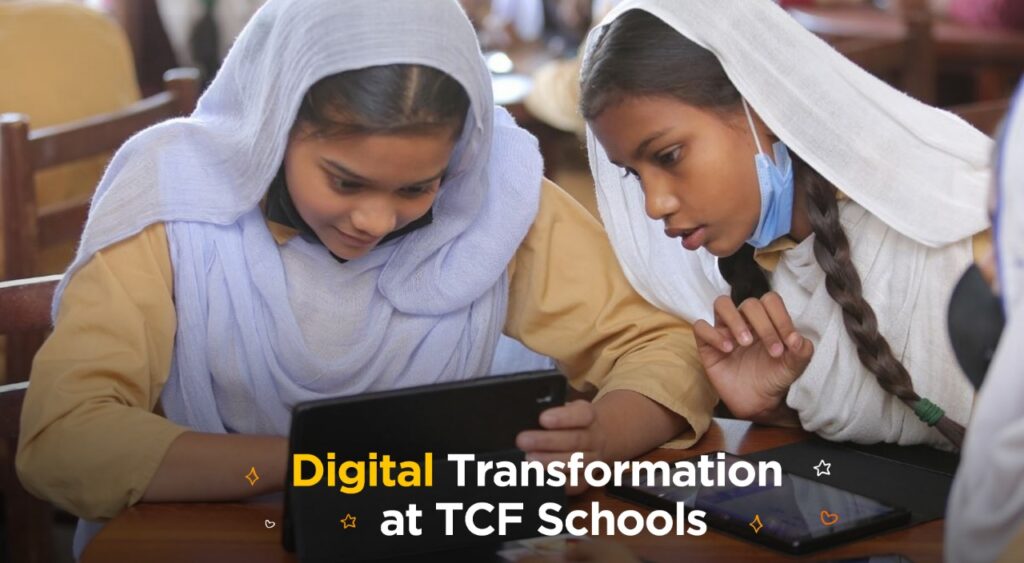
Through its technology-driven digital literacy programme, TCF has introduced a cutting-edge computer science curriculum focused on logical thinking and modern-day skills. Computers have been replaced with high-performing tablets. TCF also engages with EdTech partners to introduce blended learning.
New Computer Science Curriculum
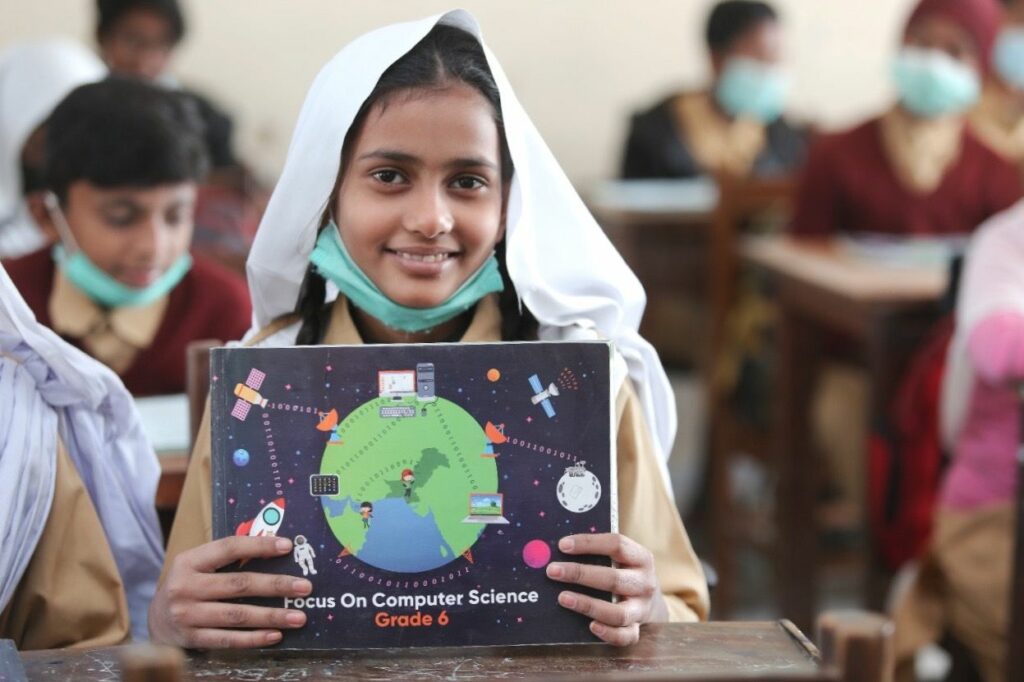
TCF has devised a new curriculum that introduces computer science basics in a format that is fun, accessible, and relevant to young learners. This curriculum will help educators prepare students for the future by developing a range of skills, from fundamentals in ICT and basic productivity applications, to applying algorithmic thinking to solve problems, and promoting digital citizenship and entrepreneurship in the digital age. The curriculum is divided across 5 strands:
- Computational Thinking: Students develop critical thinking skills through logic and reasoning activities.
- Programming: Students apply the concepts they learnt through computational thinking and coding.
- Computer Systems: Students develop an understanding of how different components are combined to develop computer systems.
- Digital Citizenship: Students learn about social responsibility, ethics and privacy, cyber security, and IT laws in the digital age.
- IT Skills: Students improve their productivity by understanding word processing, spreadsheets, presentations, online communication, and other applications.
Revamping Computer Labs
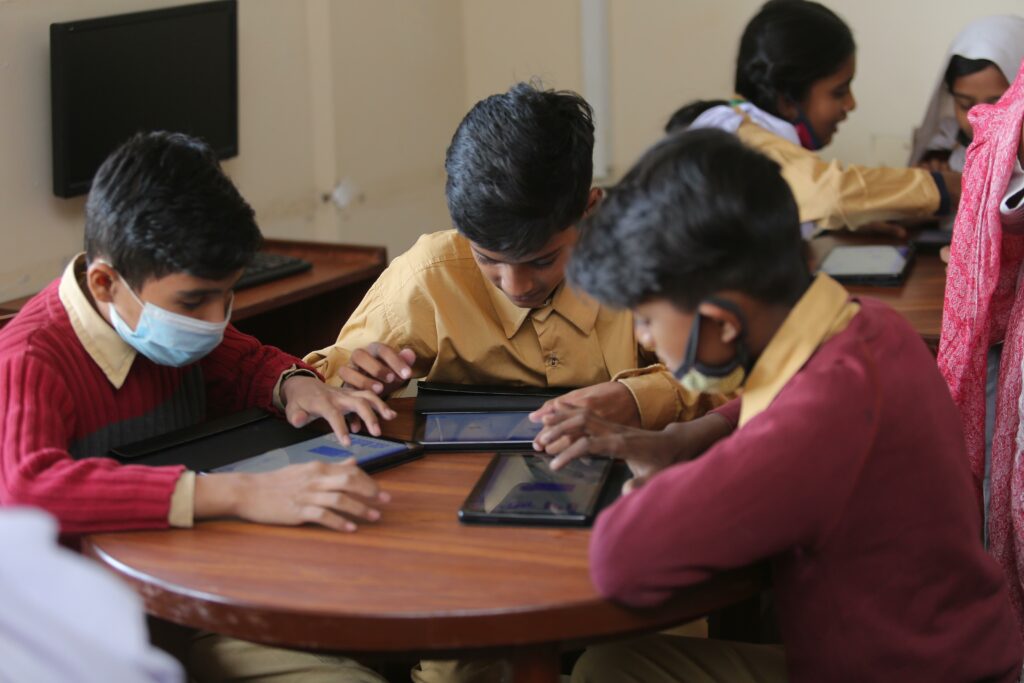
TCF is replacing computers with high-performing tablets for practical learning at its secondary schools across Pakistan. To encourage active and personalised learning, each student will work with a tablet of their own in a peer-learning model. Internal research and assessment has shown that a peer-learning approach is the most effective in promoting student learning and academic achievement, increasing student retention, and developing students’ social and oral skills.
On the tablets, children will use modern digital tools, such as Scratch, to learn software-based programming as early as Grade 6.
Blended Learning
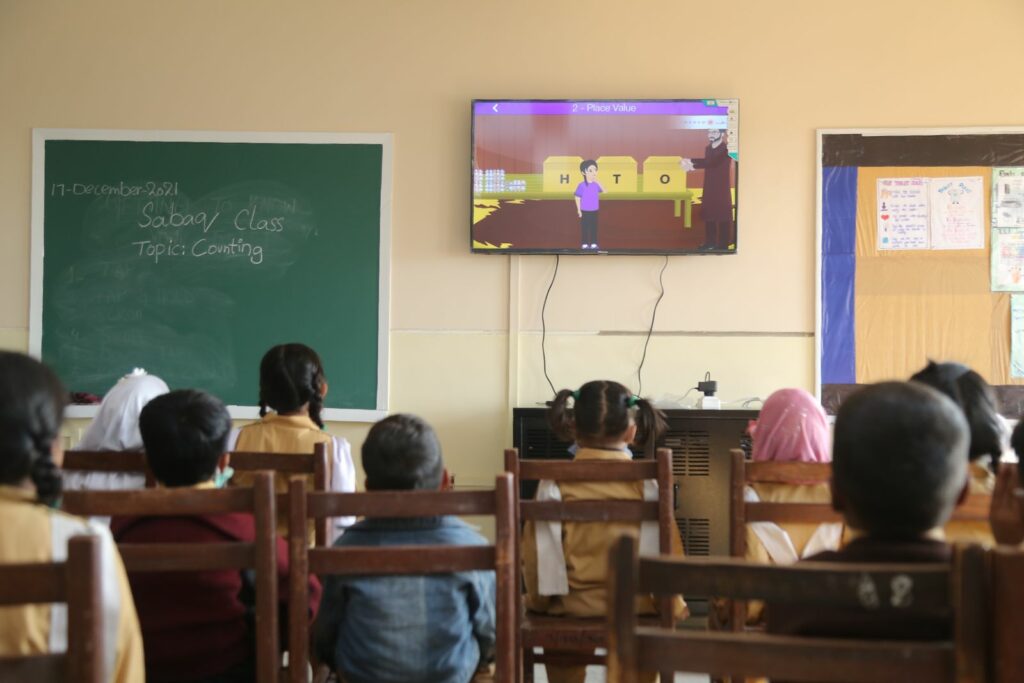
TCF is engaging with EdTech partners to increase student engagement and improve learning outcomes through high-quality digital content. Teachers will be combining digital educational materials with traditional classroom methods to illustrate concepts described in textbooks. Audio-visual (AV) rooms across TCF schools will be equipped with suitable hardware devices to facilitate this process.
Technology for Management
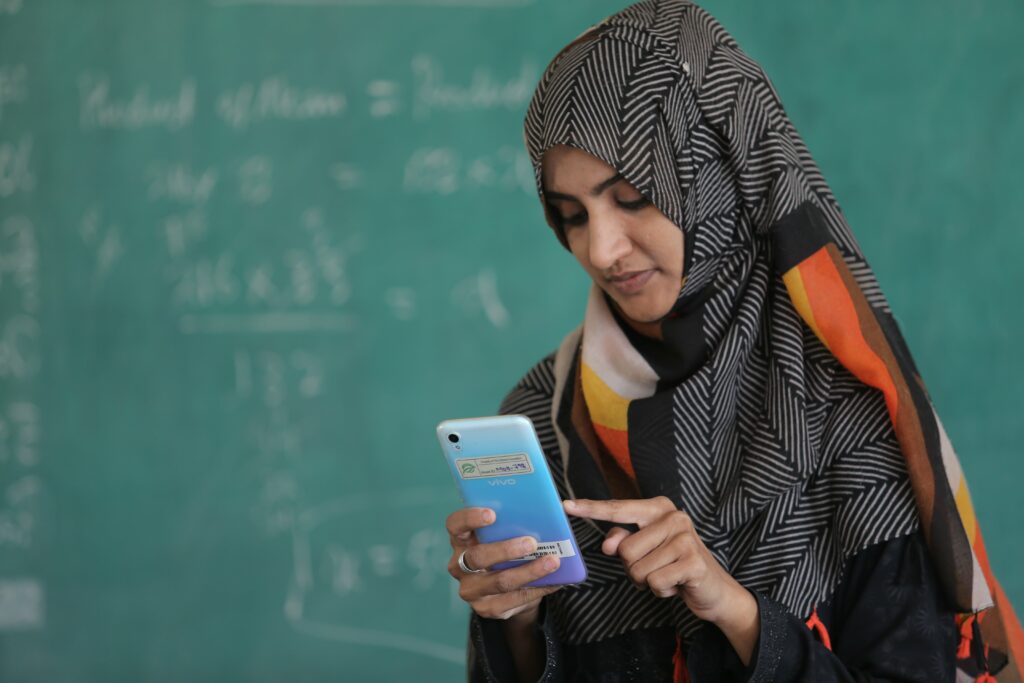
TCF is replacing old Android tablets and phones that TCF teachers and principals use to run the School Management Application and manage student data. The application has had a very positive impact on transparency, efficiency, and comprehensiveness. The new devices will further enhance data collection and management at TCF schools.